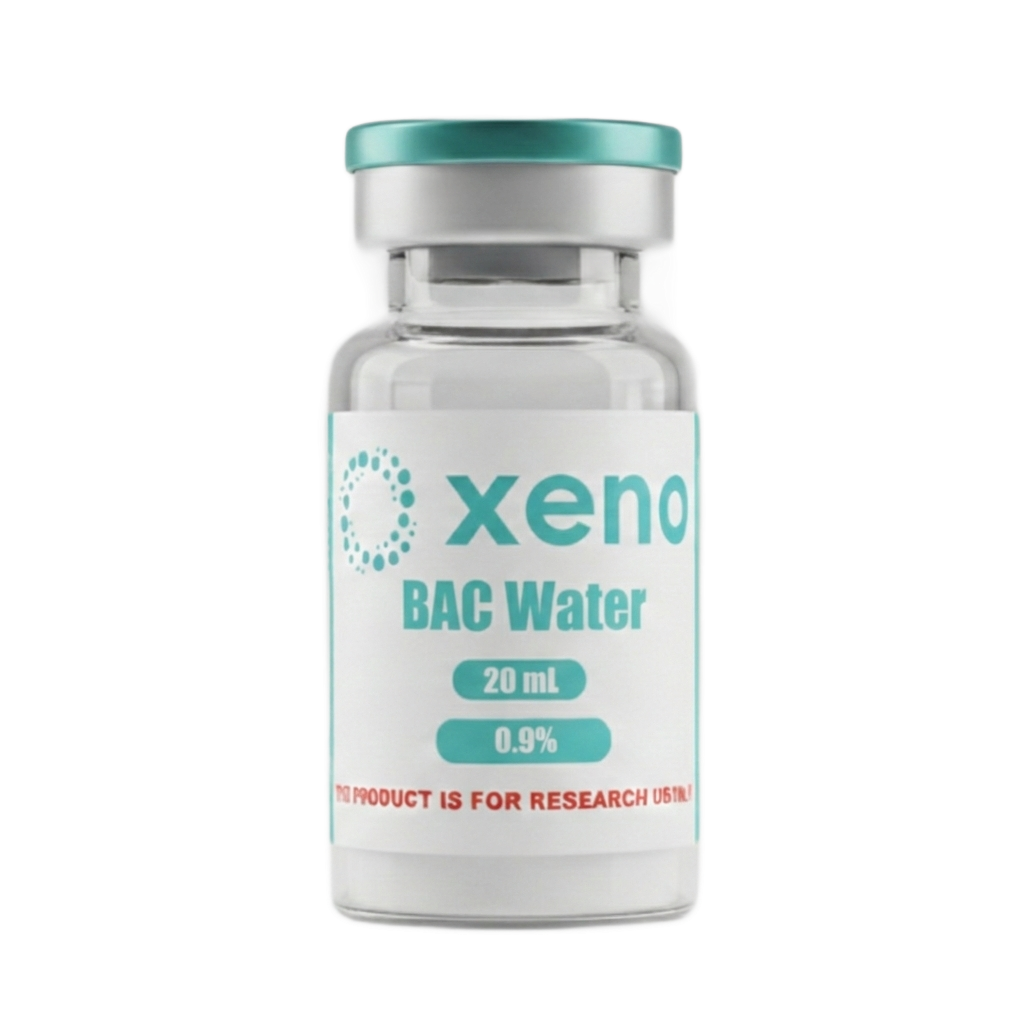
BAC Water for Peptides: A Complete Guide to Safe Reconstitution, Storage, and Use
BAC water for peptides is one of the most important supplies used in peptide preparation and reconstitution. It is commonly chosen because it contains a preservative that helps maintain sterility after the vial has been opened, making it especially useful for multi-dose use. If you are writing content for a peptide-related blog, medical supply site, or wellness brand, this topic has strong SEO potential because many users search for clear explanations of what BAC water is, how it works, and why it matters.
Understanding BAC water is essential for anyone working with peptide reconstitution. It helps support safer handling, better storage practices, and more consistent results over time. In this article, the focus is on what BAC water does, how it differs from sterile water, when it is typically used, and what users should know before choosing it for peptide preparation.
What Is BAC Water?
BAC water, short for bacteriostatic water, is sterile water that contains a small amount of benzyl alcohol as a preservative. This preservative helps inhibit bacterial growth after the vial has been punctured, which is why BAC water is often preferred for repeated use. It is not the same as plain sterile water, which does not contain a preservative and is generally intended for single-use applications.
For peptides, BAC water is commonly used during reconstitution to help preserve the solution when multiple doses are drawn from the same vial. This makes it a practical option in settings where the same peptide vial is accessed over several days or weeks. Because of that, many people searching for peptide mixing solutions will find BAC water mentioned as the standard recommendation.
Why BAC Water Is Used for Peptides
One of the main reasons BAC water is used for peptides is that it helps reduce contamination risk after the vial has been opened. Each time a vial is punctured, there is a chance that microorganisms can enter. The benzyl alcohol in BAC water helps slow bacterial growth, which supports safer multi-dose handling.
Another important benefit is convenience. Many peptide users need a solution that remains usable beyond a single session, and BAC water is designed for that purpose. It allows for repeated withdrawal from the same vial without requiring immediate disposal after one use. For that reason, it is often favored in peptide therapy, research settings, and other controlled applications where sterility matters.
BAC Water vs Sterile Water
Although BAC water and sterile water may look similar, they serve different purposes. Sterile water is preservative-free and is usually best for one-time use or very short-term applications. Once opened, it is more vulnerable to contamination and is not ideal for repeated punctures.
BAC water, on the other hand, includes benzyl alcohol, which gives it a longer usable life after opening. This makes it more suitable for multi-dose peptide reconstitution. If someone is choosing between the two, the decision usually depends on whether the vial will be used once or accessed multiple times. That distinction is important for both safety and performance.
How BAC Water Supports Peptide Reconstitution
Peptide reconstitution refers to the process of mixing a dry peptide powder with a liquid solution so it can be used properly. BAC water is often selected for this process because it helps keep the solution stable during repeated use. The liquid is usually added slowly to the vial, and the peptide is gently swirled until fully dissolved.
Using BAC water correctly can help maintain the integrity of the peptide solution. It is important not to shake the vial aggressively, as that may damage delicate compounds. Proper technique, clean handling, and careful storage all play a role in helping peptides remain usable and effective after reconstitution.
Storage and Handling Tips
Correct storage is critical when working with BAC water and reconstituted peptides. Unopened BAC water should be stored according to the manufacturer’s instructions, usually at room temperature away from direct light. Once opened, it is often kept refrigerated to support cleanliness and stability.
Reconstituted peptides should also be stored carefully, typically in a refrigerator, and protected from heat, light, and contamination. Users should always check the specific storage guidance for the peptide they are using, since different compounds may have different stability requirements. Proper labeling and date tracking can also help ensure safe use over time.
Important Safety Considerations
BAC water is helpful, but it must be used responsibly. It is not intended for every situation, and some users may have sensitivities or specific medical needs that make alternatives more appropriate. In addition, BAC water should only be used in clean, controlled settings with sterile technique to reduce contamination risk.
It is also important to remember that not all peptide products have the same preparation instructions. The correct diluent, dose, and storage method can vary by compound. Anyone using peptides for health-related purposes should follow professional guidance and product-specific directions rather than relying on general assumptions.
Conclusion
BAC water for peptides is a practical and widely used option for reconstitution because it includes a preservative that supports multi-dose use. It offers clear advantages over plain sterile water when repeated access to a vial is needed, especially in settings where sterility and consistency matter. A well-written article on this topic should explain what BAC water is, how it works, why it is used, and how to handle it safely.
For SEO, focus on natural keyword placement, clear subheadings, and simple educational language. That approach will help your content rank while still giving readers useful, trustworthy information.